


On this page
Have you ever used the words “packing” and “packaging” interchangeably? Well, you are not alone in this. Since both the words sound the same, people do mistake them as twins. But in the world of shopping and shipping, “packing” and “packaging” are two different things. Packaging is about presentation whereas packing is about protection. One makes the product look good to the buyer, the other makes sure it does not break on the way to their house. So, knowing the difference between the two is necessary as it can save your big money spent on shipping and branding. Let’s discuss the difference between packing vs packaging in detail.
What is Packaging?
Packaging consists of two parts. One is the container built to protect, store, and present a product. Second is the beautiful design on it consisting of logos, colors, and labels used to promote the brand. Together, the two make a package. A packaging serves as a protective shield and brand’s marketing tool, both. It also focuses on user convenience. That’s why while designing a packaging, functional features like resealable zippers and comfortable handles are added. These features allow you to shop anywhere, anytime, with zero hassle.
The Three Levels of Packaging
A packaging comes in many forms, but every layer has a specific job to do. So, let’s see what these different types of packaging are:
Primary Packaging
Primary packaging is the innermost layer that is in direct contact with the product. It acts as the ultimate shield for the product and keeps it fresh by keeping the contaminants, air, and moisture out. Moreover, consumers directly interact with the primary packaging every time they use the product. That’s why it features all the branding elements. Common examples of primary packaging are, a bag holding pasta, an aluminum soda can, candy wrapper, and a pill glass bottle.
Secondary Packaging
Secondary packaging is the exterior housing used for protecting primary packages. It is not in direct contact with the product and is discarded after the use. Secondary packaging plays a massive role in the product marketing and retail logistics, too. That’s why it is printed with barcodes, product information, and promotional messages. Examples include a paperboard box holding a bag of cereal or a printed box surrounding a tube of toothpaste. Despite the retail brands, online stores highly depend on secondary packaging for e-commerce businesses. It helps them with brand promotion.
Tertiary Packaging
Tertiary packaging is actually shipping containers designed for freight transit and warehouse storage. These are heavy-duty corrugated boxes designed to protect the secondary packaging and multi-tier stacking. Instead of branding elements, these boxes are printed with shipping labels, barcodes, handling symbols, and product identification details.
What is Packing?
While packaging is the structural housing for a product that focuses on product protection and visual appeal. Packing is the physical process. It involves the packing methods for fragile products like preparing, wrapping, and securing goods inside the box, bag, bottles, cans, or a pouch. Moreover, the purpose of packing is efficiency in order to lower the shipping cost. This involves the elimination of void areas inside the packaging.
Essential Packing Materials
Packing does not rely on a single cardboard box or some kind of packaging tape. It comprises a variety of durable protective materials. Such as:
- Outer Containers: Corrugated cardboard boxes, mailing tubes, poly mailers, and wooden crates.
- Cushioning: Bubble wrap, packing peanuts, Kraft paper, air pillows, and foam inserts.
- Sealing supplies: Reinforced packing tape, heavy-duty stretch film, and polypropylene strapping.
Key Difference Between Packing vs Packaging
With all the data above it is clear that packing and packaging are the two sides of the same coin but they are not the same. They serve completely different purposes. For a better understanding of the packing and packaging difference, take a look at the table below.
| Feature | Packaging | Packing |
|---|---|---|
| Primary Focus | Marketing, branding, and product protection. | Protection during shipping, storage, and handling. |
| Stage in Supply Chain | Manufacturing and product design stage. | Logistics, warehousing, and transportation stage. |
| Visual Design | Custom branding, graphic design, colors, logos, and labels. | Standardized shipping boxes with labels, tape, and filler materials. |
| Target Audience | End consumers and retail buyers. | Couriers, warehouse staff, freight handlers, and logistics teams. |
| Type of Process | Creative and technical design focused on branding and presentation. | Physical process of wrapping, securing, and preparing products for transport. |
Conclusion
To run your business smoothly and cost-efficiently, knowing the difference between packing vs packaging is important. Because that’s how you can protect your product, brand’s reputation, and your bottom line. So, if you want any type of packing material or packaging container, contact us.
At Boxit Packages we have a wide variety of containers and packaging with which you can securely deliver your products and promote your brand in the market. We offer our clients unique packaging design and sustainable packing options to present your brand in a distinctive way in the market.
Need custom printed boxes?
Contact us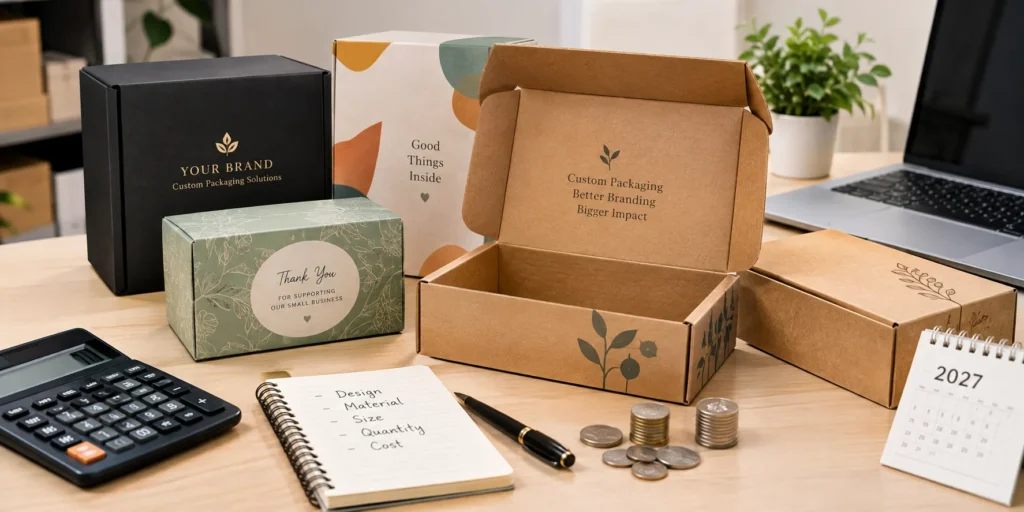

.jpg)