

On this page
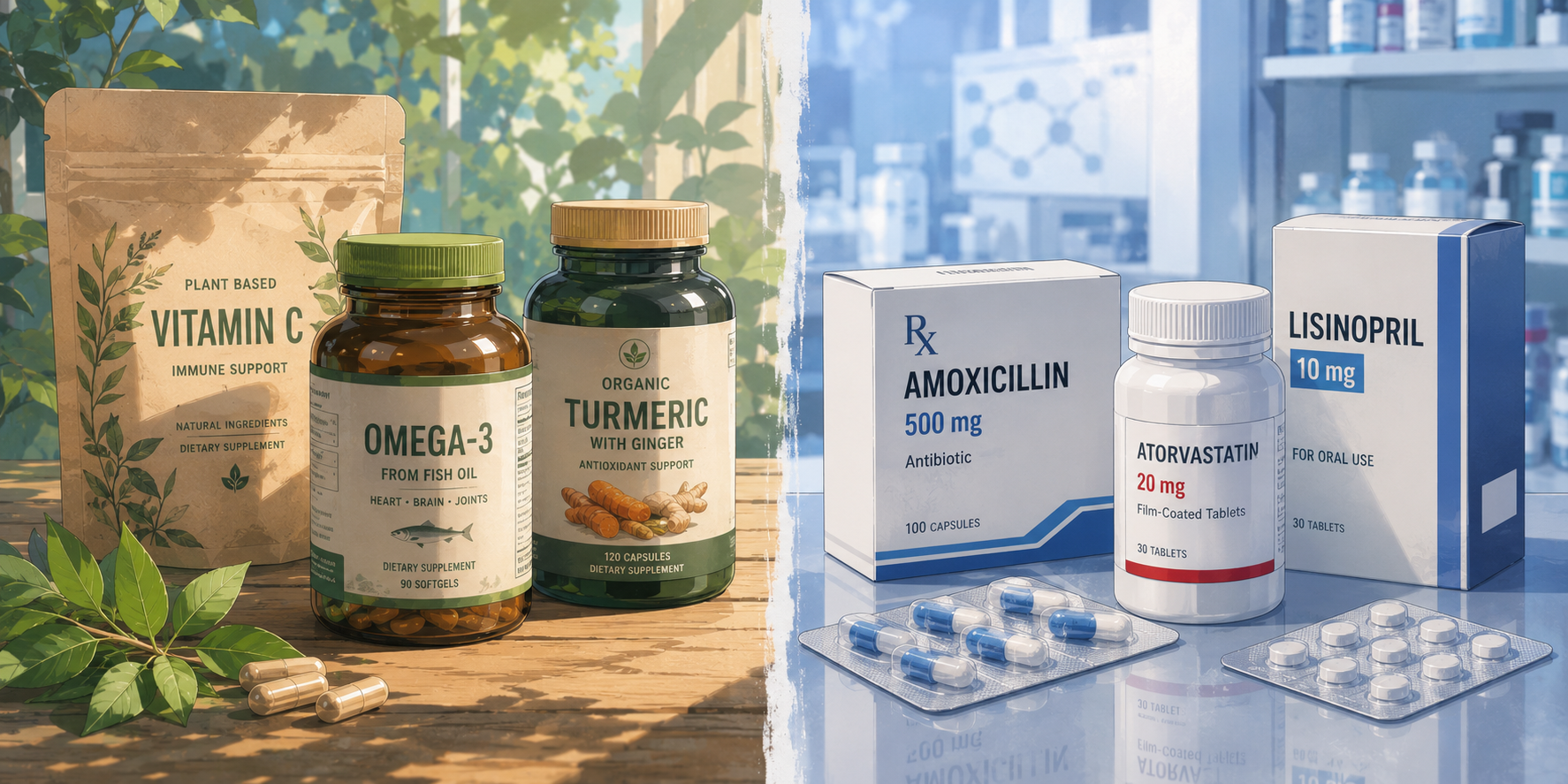
Imagine two glass bottles filled with pills or capsules. Visually, both the bottles may look the same but their packaging follows different rules. One container is bound for a hospital pharmacy while the other promotes wellness on a retail shelf. Yes we are talking about pharmaceutical and nutraceutical products. Both the products need a light, air, and moisture-resistant packaging but here is the actual twist. Pharmaceutical packaging must adhere to GMP regulations. Whereas nutraceutical packaging should be compliant to FDA guidelines. Ignoring the rules and regulations of GMP and FDA can result in immediate product seizure, heavy penalties, and negative brand equity. To avoid all these problems, let’s break down the critical differences between nutraceutical vs pharmaceutical packaging. Let’s begin!
The Key Differences Between Nutraceutical vs Pharmaceutical Packaging
Being a brand in the health and wellness sector, you must be aware of the fact that pharma products are drugs and life-saving medicines. Whereas nutria products are health, self-care supplements. But one thing that you don’t know is that in this industry, confusing a supplement guideline with a drug mandate is a multi-million dollar mistake that can even cost a human life. Packaging for nutraceutical vs pharmaceutical products is totally different from one another. See the differences below.
The Regulatory Divide of FDA and GMP Guidelines
In the United States there are regulatory bodies that approve your product before the launch in the market. If your product’s packaging does not fit their regulations there is a 100% chance of rejection. For pharmaceutical products like tablets, capsules, syrups, and drops, their packaging line must operate under strict current Good Manufacturing Practices (cGMP). According to the GMP guidelines, the pharma boxes must be printed with name of product, route of administration, batch number, and expiry date. This ensures traceability and safety. Secondly, the syrup bottles must have child-resistant caps. Whereas the blister packs must feature squeeze-and-tear or peel-push design. This is to prevent accidental ingestion by pediatrics. Lastly, do add 2D barcodes on the boxes. This enables the tracking and tracing of the medicines easier throughout the supply chain.
However, packaging rules for nutraceutical products are more lenient. Since nutra products are dietary supplements, they come under the regulation of FDA. The packaging for nutraceutical products must feature a list of ingredients, serving sizes, and usage directions. Moreover, major food allergens must be clearly declared.
Marketing and Branding Freedom
When you walk through a pharma store you can see a clear difference between the nutraceutical vs pharmaceutical section. The pharma products section will be a clean one. The prescription boxes on the shelf only feature sterile typography and vast white space. Every panel of the boxes is crowded with mandatory details. Such as dosage instructions, ingredient lists, route of administration, and storage conditions. The front panel of the boxes is heavily restricted for brand logos. Graphic embellishments and decorative patterns are entirely absent. Because the primary goal of the product is to save lives.
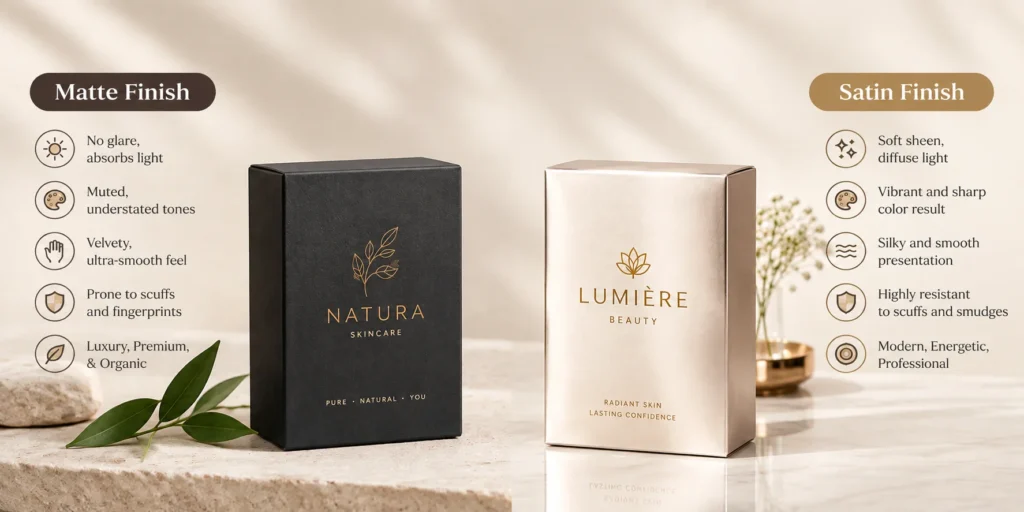
On the other hand, nutraceutical packaging gets the freedom to customize. The only reason for this is high competition in the supplement world. And the packaging serves as the most powerful tool for brand differentiation. Therefore, nutraceutical brands can design their pill bottles and boxes in custom-shaped structures and jars. They can opt for stand-up pouches. And even finish the packaging with tactile varnishes and soft-touch matte lamination. This creates a feeling of modern wellness, making a supplement more desirable.
Material Science and Barrier Protection
Drugs and medicines contain highly unstable and active ingredients. Even a microscopic exposure to air, light, and moisture can make the medicine ineffective. And in the worst case scenario, a life-saving drug can turn into a toxin. Therefore, pharma packaging is engineered from highly inert barrier materials. Blistar packs are laminated with Alu-Alu and Aclar films to ensure maximum shelf-life. For glass vials borosilicate glass is the gold standard. Whereas rubber closures are added for self-sealability.
On the contrary, nutraceutical packaging relies on functional, targeted protection, optimizing standard high-performing plastics to safeguard everyday wellness ingredients. Most of the vitamins and supplements are packed in HDPE and PET bottles and stand-up pouches. Inside these containers silica gel packs are placed. Together the packaging protects the supplements from moisture, UV light and extends shelf-life.
The Sustainability Expectation
Sustainability has become a mandatory aspect of packaging worldwide. If your packaging is contributing towards Earth’s pollution and environmental degradation. Then, your product may get banned and your business may have to withdraw from the market. However, pharma brands have an exemption from sustainability laws. When you are working on pharmaceutical packaging solutions, patient safety and chemical shelf-life stability is the utmost priority. You cannot risk it for a sustainability narrative.
However, this is not the case with nutraceutical packaging due to consumer’s demands. A customer purchasing organic vitamins or plant-based protein powders expects the outer packaging to reflect the clean ingredients inside. Therefore, nutraceutical brands are compliant to use sustainable packaging materials, recyclable structures, and post-consumer recycled (PCR) plastics.
Let’s compile all the differences between nutraceutical vs pharmaceutical packaging for a quick review.
Feature Category | Pharmaceutical Packaging | Nutraceutical Packaging |
Regulatory Framework | Regulated under FDA and cGMP regulations. Requires complete clinical trial validation and pre-market approval. | Regulated under FDA but no pre-market approval required. |
Labeling & Panel Demands | Requires a highly standardized, clinical 'Drug Facts' panel or professional insert detailing indications, and exact active ingredients. | Requires a prominent 'Supplement Facts' panel, clear allergen declarations, and structural-function claims paired with the mandatory FDA disclaimer. |
Design & Branding Freedom | Strictly utilitarian. Focuses heavily on reducing medical errors and dosage mix-ups. Minimalist, text-heavy layout. | High design freedom. Acts as a 'silent salesman' using premium textures, tactile varnishes, modern typography, and vibrant color palettes. |
Material Science & Barrier | Demands medical-grade materials like cold-form Alu/Alu blisters or high-barrier fluoropolymer laminates (Aclar). | Uses standard consumer polymers (PET, HDPE), flexible laminate pouches, and active desiccant inserts. |
Sustainability Capacity | Brands actively pivot to Post-Consumer Recycled (PCR) plastics, ocean-bound resins, glass, and industrially compostable pouches | Severely restricted. Safety, chemical inertness, and stability laws universally override eco-friendliness. Primary blister layers are difficult to recycle. |
Supply Chain Security | Uses standard lot numbers, commercial barcodes, and traditional tamper-evident shrink bands or induction seals. | Uses 2D barcodes for full end-to-end trace-and-track capabilities. |
Conclusion
Now that you have a good grasp on nutraceutical vs pharmaceutical packaging. Next you need a reliable packaging manufacturer. You need a partner that understands the difference between the two, is aware of the mandatory regulations, and knows the latest market trends. Boxit Packages excels in pharmaceutical packaging solutions. We offer the highest standards of quality, safety, and sustainability under one roof. Contact us today!
Need custom printed boxes?
Contact us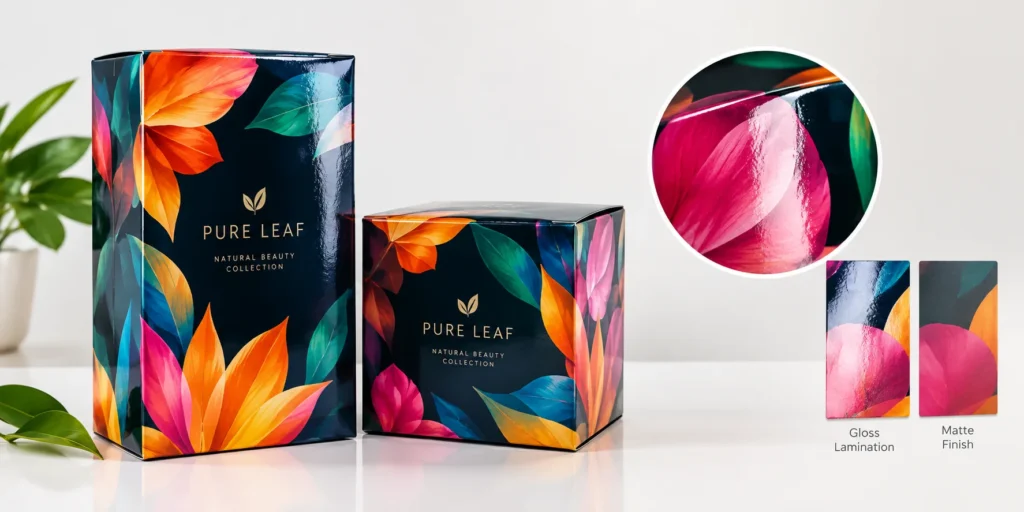

.jpg)