What is Cardstock? A Comprehensive Guide
Recent Posts
-
 What Makes Vape Packaging Boxes... September 7, 2026
 -
 How to Create Better Product... September 2, 2026
 -
 How Retail Packaging Shapes the... August 31, 2026
What Is Cardstock?
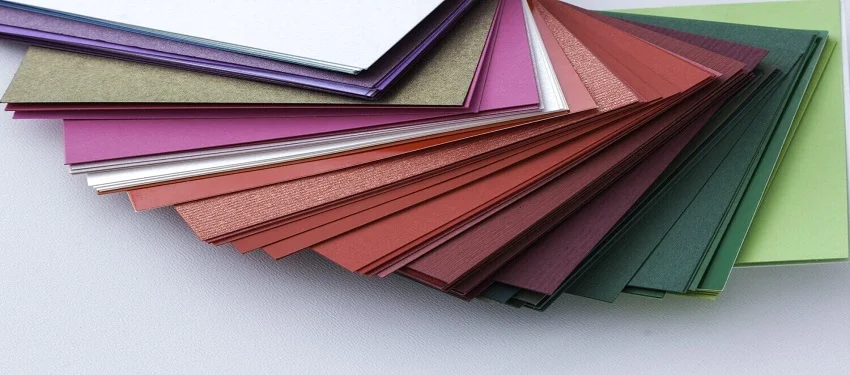
Cardstock is a type of thick, stiff paper that can be found in many forms. DURABLE: This product is stronger than standard printing paper, it’s stiffer and won’t crumble when folded so it’s good for arts and crafts projects. At the same time, it is thinner than paperboard and custom cardboard boxes. Due to its weight, many designers also feel it is a great alternative for regular printer paper.
In addition, this type of paper is available in various weights, textures and finishes. In the following guide, I break down what it is made up of and how it is commonly used.
How Cardstock Is Made
Before we jump into its uses, however, it’s good to know how this material is made. Most mills make it from a mix of softwood and hardwood fibers. They harvest the wood of multiple trees and form it into small chips. These chips are then subjected to chemical or mechanical pulping to produce paper of sheets.
If manufacturers are using recycled materials, they’re mixed with water to create cardstock paper. Hardwood fibers enhance paper formation, and softwood fibers give the sheet more strength and permanence. Since mills produce a wide range of fiber ratios, the end product has changing thickness, quality, weight and surface finish. It’s basically a thicker paper, made along the same lines as normal paper.
Common Uses of Cardstock
Cardstock is a versatile product that can be used in practically any industry. It’s strong enough to hold up to ink, coatings and texture without buckling or tearing.
Cards
Cardstock sheets Cardstock sheets are used by the designers multiple and varied ranges of cards due to their printing and decorating support. Common examples include:
- Greeting cards
- Business cards
- Postcards
- Invitations
- Playing cards
Packaging
Besides, many brands use this material for light weight packaging. Because it prints well and maintains its form, manufacturers use it frequently in:
- Custom boxes
- Gift boxes
Scrapbooks and Albums
Base pages in scrapbooks and albums are a common substrate to which crafters attach home decor items. The extra stiffness ensures photos and layered decorations won’t pucker.
Standard Sizes Cardstock Explained
Paper size is frequently measured in inches. Some widely used options include:
- 6 x 6 inches
- 8 x 8 inches
- 3.5 x 8.5 inches
- 8.5 x 11 inches
- 12 x 12 inches
Each will have a function of its own. But, when it comes to hand-made cards and common sheet printing, 8.5 x 11 inch remains the king of all standard sizes.
Finishes and Textures
Whilst smooth sheets are still the most popular option, there are a range of finishes and textures available for decorative or high-end applications.
Popular Finishes
- Glossy
- Matte
- Satin
- Vellum
- Glitter
- Iridescent
- Gradient
Texture Options
Texture increases the perception of thickness and provides a quality feel and look for any project. Popular textured styles include:
- Cockle
- Felt
- Linen
- Canvas
- Wood
Since textured sheets take extra processing, they’re generally more expensive than smooth ones.
Weight Guide
Paper weight is measured in pounds or grams per square meter (GSM). Typically options vary from 65 lbs up to 110 lbs with an average of around 80 lbs. Printers figure weight on the basis of square sheets, for calibrating.
75 to 90 GSM
Suitable for notebooks and sketchpads. It works pretty well with pencils, not so much with heavy ink.
90 to 100 GSM
For general household printing.
120 to 140 GSM
Perfect for posters and promotional prints.
210 to 300 GSM
Thicker yet flexible. This range is often used by designers who will use this paper for magazine covers, flyers and painting watercolor artwork.
300 to 450 GSM
This category includes the stiffest paper selections. It has a high level of firmness, ideal for business cards and invitations.
Available Colors
This paper product is offered in just about any color you can think of. And with manufacturers able to dye and print it easily, designers put it to use in both bold and subtle projects. Gradient styles are still hot in crafts, and you can never go wrong with white sheets.
Coated vs. Uncoated Options
When choosing a paper type, consider how you want your project to appear, the texture of the stock and whether or not you need it to be writable.
Coated Paper
Coated papers have a smooth surface form applying 10matte or gloss finish. When one side is printed, it is referred to as C1S. And when both the surfaces get coated, it is called C2S. These layers enhance print quality and eliminate ink.
- Common uses include:
- Business cards
- Product packaging
- Invitations
Uncoated Paper
Uncoated Sheets have a raw and porous surface without any treatment. Artists and writers love them for their natural texture and ink absorbency. Typical applications include:
- Crafting
- Stationery
- Greeting cards
- Letterpress printing
Conclusion
Cardstock is a wood-based, paper material heavy enough to support its own weight and is typically used in a variety of applications. It is available in a variety of sizes, weights, finishes and coating options and perfect for cards, packaging as well as other creative uses. Its clean printing and solid adherence make it a standard for countless professionals as well as those of us bubble wrapping our dishes during a move.
.jpg)